A New Therapeutic Strategy Against Pancreatic Cancer Shows Promising Results
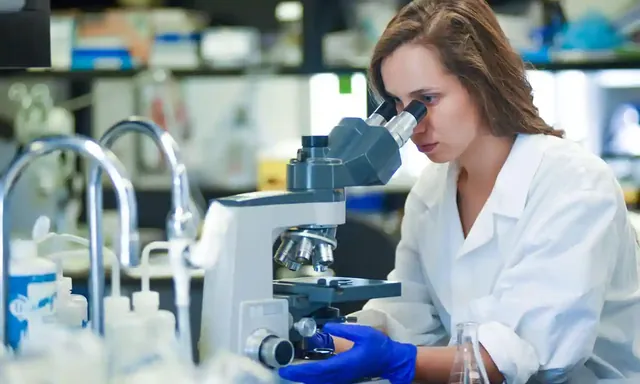
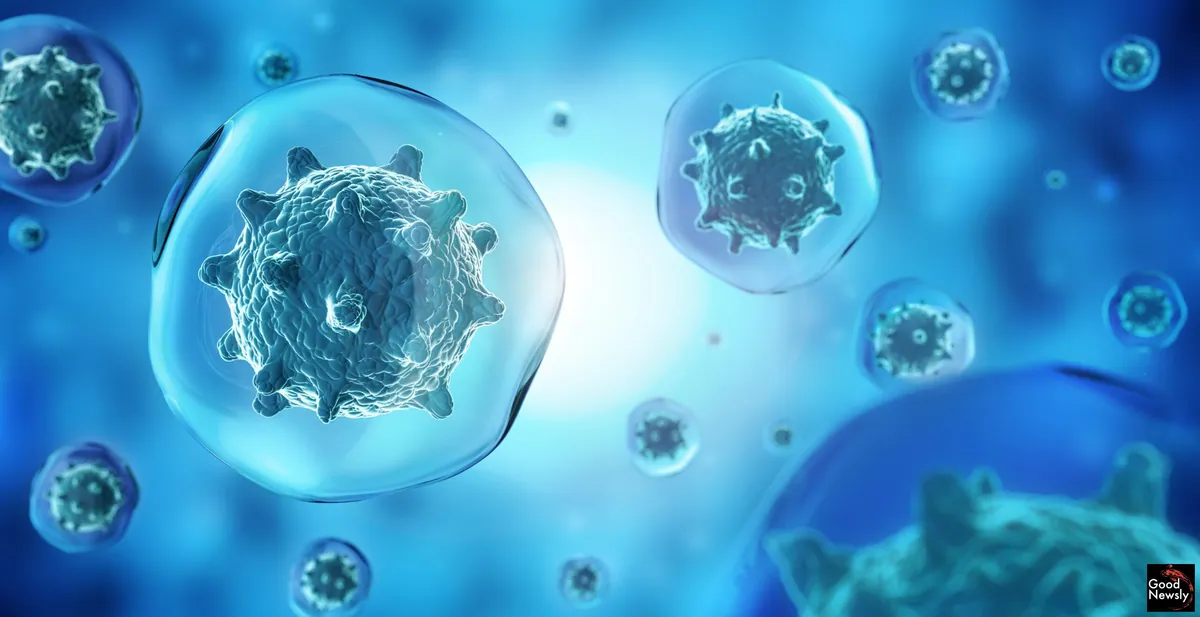
The scientists from Albert Einstein College of Medicine have devised a new therapeutic strategy that can reduce cancer metastases by 87%.
Good news about Science, newest first.
The scientists from Albert Einstein College of Medicine have devised a new therapeutic strategy that can reduce cancer metastases by 87%.
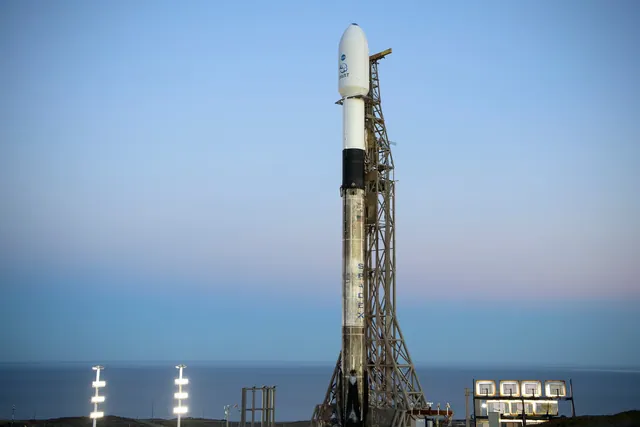
NASA launches a spacecraft the size of a refrigerator and intentionally sends it toward a menacing asteroid to save Earth.
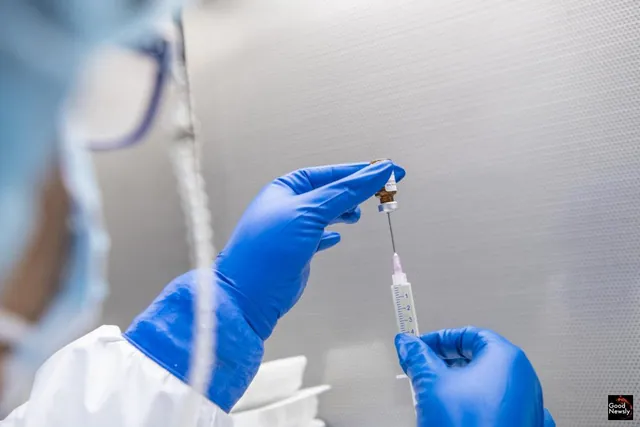
A vaccine against Alzheimer’s disease that affects two-thirds of all people with dementia in the UK, showed promising results after they carried out successful trials in animals.
Hundreds of people with rare diseases have finally been given a diagnosis for the first time, giving them a chance to have more focused treatments.
Researchers from Cleveland Clinic conducts a phase 1 trial to prevent the most aggressive and lethal form of breast cancer.
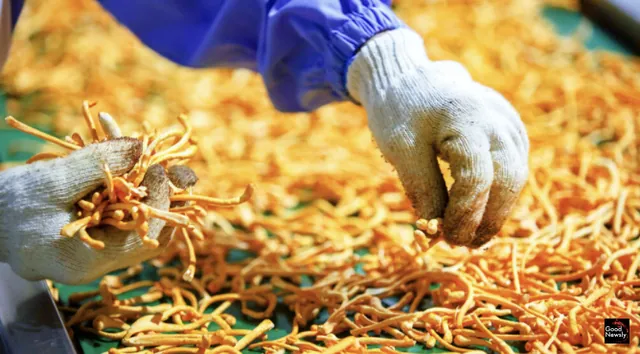
Researchers have found a metabolite from a Himalayan fungus called Cordycepin that showed potential to treat cancer.
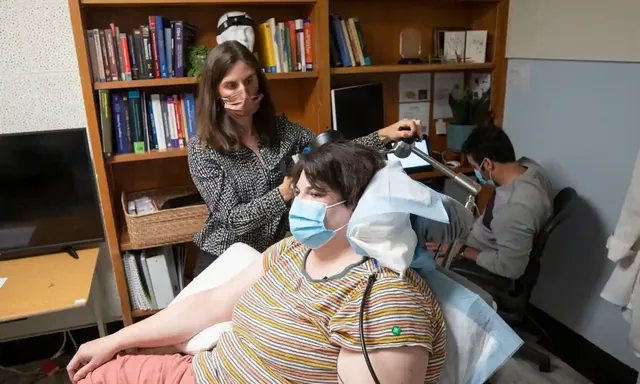
A woman who has been suffering from severe depression was successfully treated with an electrical brain implant.
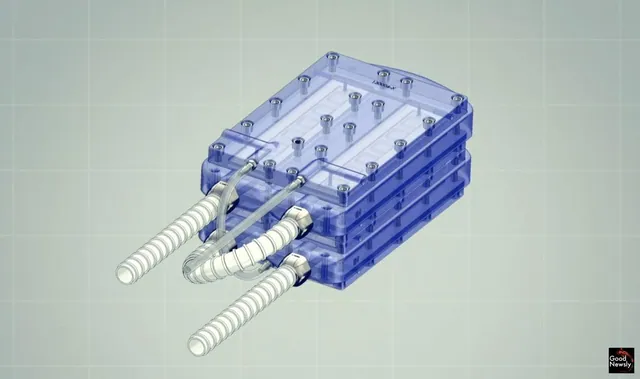
An implantable bioartificial kidney that can save kidney disease patients from dialysis was successfully tested by The Kidney Project.
A new drug regime for children with fatal forms of brain cancer was successfully created by Scientists through the use of artificial intelligence (AI).
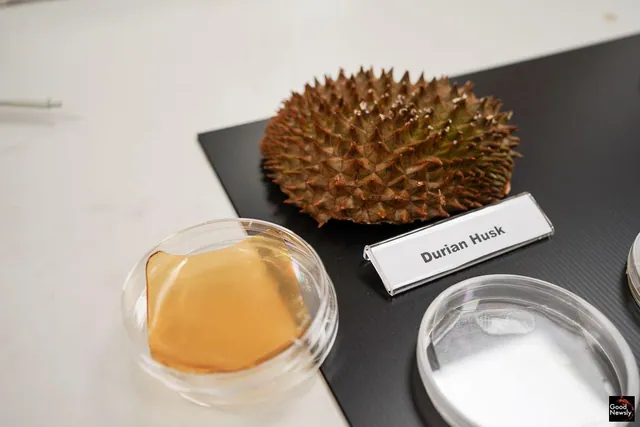
Scientists from Nanyang Technological University (NTU) in Singapore help tackle environmental waste by turning discarded durian husks into antibacterial gel bandages.
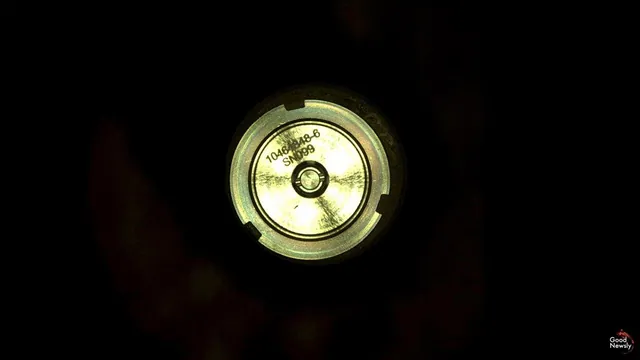
NASA’s Perseverance rover has successfully brought its first set of scientifically identified material from Mars to Earth.
NHS England says inclisiran, an anti-cholesterol drug, could avoid 30,000 deaths caused by stroke or heart attack.
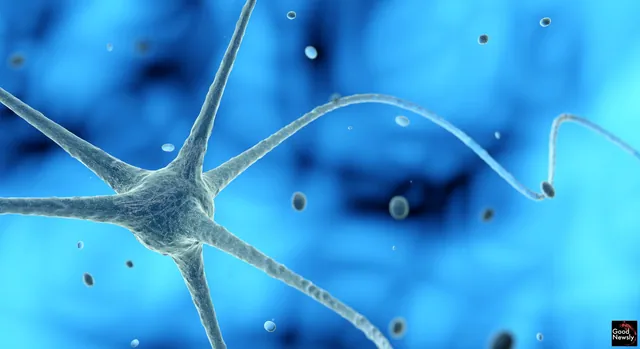
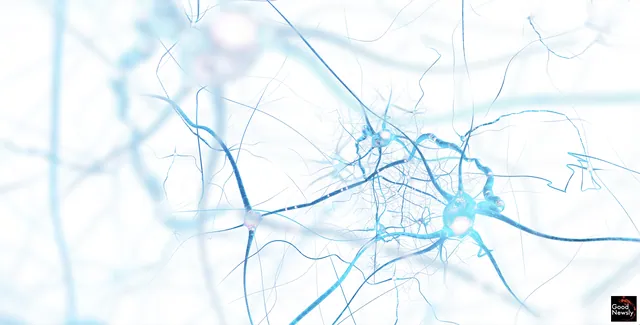
A man with severe paralysis was able to communicate in sentences through a “speech neuroprosthesis” developed by researchers at UC San Francisco.
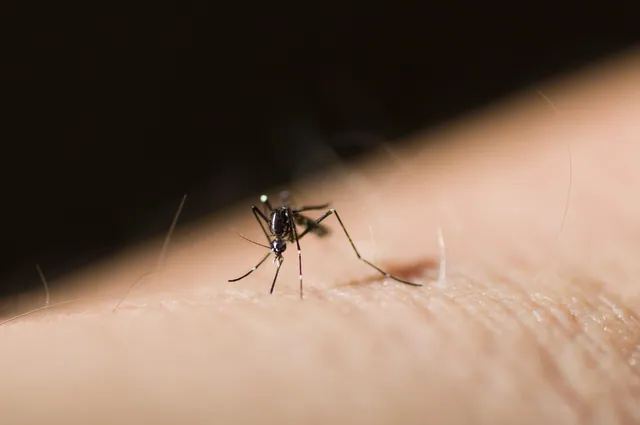
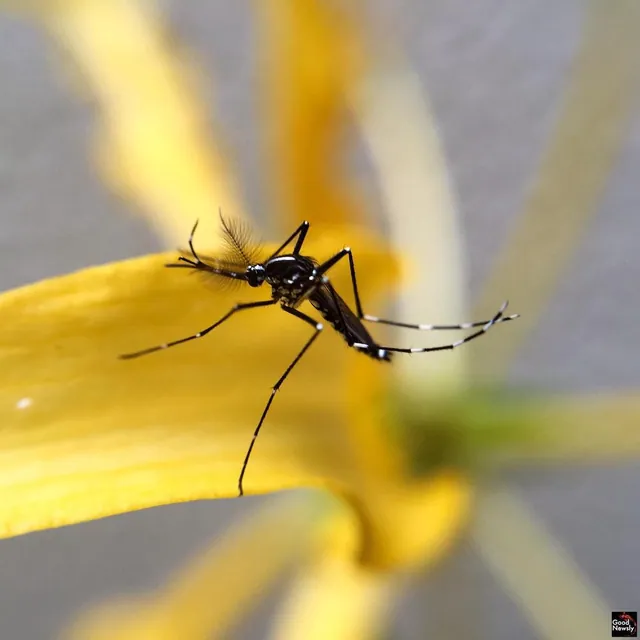
Genetically engineered mosquitoes were set free to aim against invasive species that spread illnesses including Zika, dengue, chikungunya, yellow fever and more.
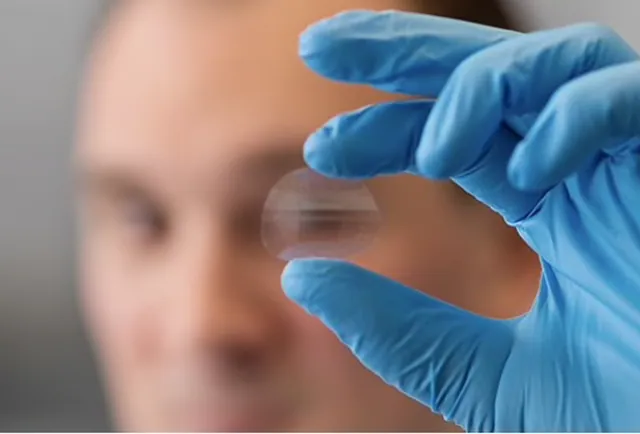
A printable device that’s being developed by a researcher at the University of Sydney can serve as a retina to blind people and could restore sight.
A fireball that lit up the sky over the United Kingdom and Northern Europe on February 28 was an extremely rare type of meteorite…
Stars are the most widely recognized astronomical objects and represent the most fundamental building blocks of galaxies……
NASA has discovered an exoplanet with three stars, one with a bizarre orbit that has left astronomers baffled……
Scientists have created new kinds of ‘living materials’ by tweaking the base ingredients of kombucha, the popular tea drink fermented with a symbiotic culture of bacteria and yeast (aka SCOBY).
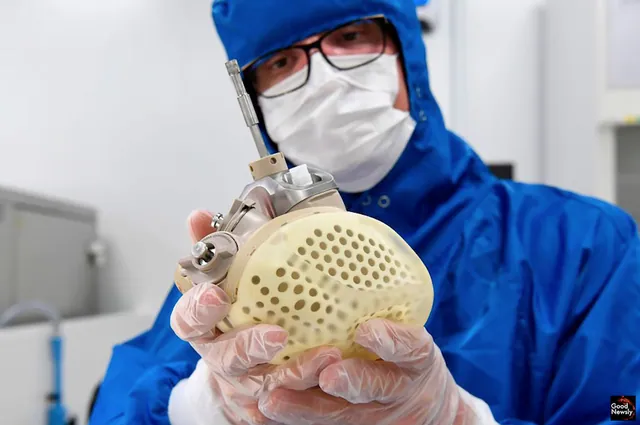
Shares in Carmat SA posted their biggest gain in more than seven years after the company got approval to sell the first-ever total artificial heart in Europe….
Today, aeroplanes pump a lot of climate-warming carbon dioxide into the atmosphere. But someday, carbon dioxide sucked from the atmosphere could be used to power aeroplanes.
The Oxford team behind a successful COVID-19 vaccine candidate are close to entering the final stage of human trials in their jab against malaria. Oxford malaria vaccine could be ready by 2024, speculates top UK...
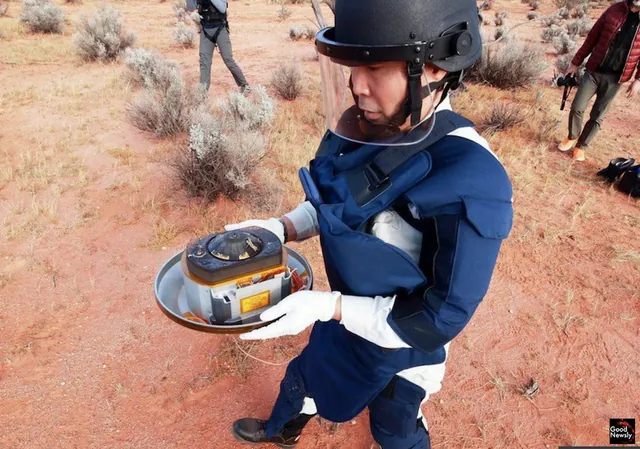
After spending six years in space, a Japanese spacecraft just landed in the desert of southern Australia, bringing a small cache of asteroid rocks to the surface of Earth. pic.twitter.com/3iea7ccIbt, Wakka...
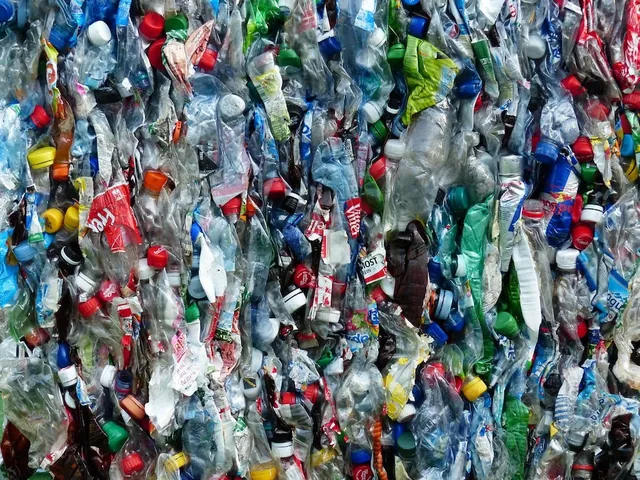
Scientists have created a mutant enzyme that breaks down plastic drinks bottles, by accident. The breakthrough could help solve the global plastic pollution crisis by enabling for the first time the full recycling of...
 GoodnewslyBeyond feel-good stories
Beyond feel-good stories. Discover the real-world progress that could transform lives, societies and the planet.