The Best News of 2024
In 2024 two countries were certified malaria-free, the Iberian lynx left the endangered list, the UK ended 142 years of coal power, Amazon deforestation fell by 30.6% and a whole adult brain was mapped for the first time.
 By Inga Kaluaratchie7 min read
2024 was a year of long efforts reaching their end points. Two countries on opposite sides of Africa were certified free of malaria, a big cat that had fallen to a few dozen breeding adults was taken off the endangered list, and the UK, which had made electricity from coal since 1882, closed its last coal power station. Scientists also finished the first map of every nerve cell in an adult brain.
Cabo Verde Certified Malaria-Free (12 January 2024)
The World Health Organization certified Cabo Verde malaria-free on 12 January 2024. The archipelago of 10 islands became the third country in the WHO African Region with the status, after Mauritius in 1973 and Algeria in 2019. In his remarks at the ceremony, WHO Director-General Tedros Adhanom Ghebreyesus called it the first from sub-Saharan Africa in 50 years.
Before the 1950s every island was affected. Cabo Verde eliminated malaria twice, in 1967 and 1983, only for it to return. Since the late 1980s it had been confined to Santiago and Boa Vista, and both have been free of it since 2017. The certification brought the total to 43 countries and one territory.
Cameroon Starts Routine Malaria Vaccination (22 January 2024)
Cameroon added the RTS,S malaria vaccine to its routine childhood immunisation programme on 22 January 2024, according to WHO's Africa office. It was the first country to do so outside the pilot programme run in Ghana, Kenya and Malawi. The rollout began in 42 health districts across all 10 regions, with 331,200 doses delivered in November 2023.
The need is large. Cameroon recorded more than 3 million malaria cases and over 3,800 deaths in 2021. In the pilot, which reached more than 2 million children, WHO reported a 13% drop in deaths from all causes among children old enough to receive the vaccine. Goodnewsly reported WHO's first recommendation of the vaccine in 2021.
The Iberian Lynx Leaves the Endangered List (20 June 2024)
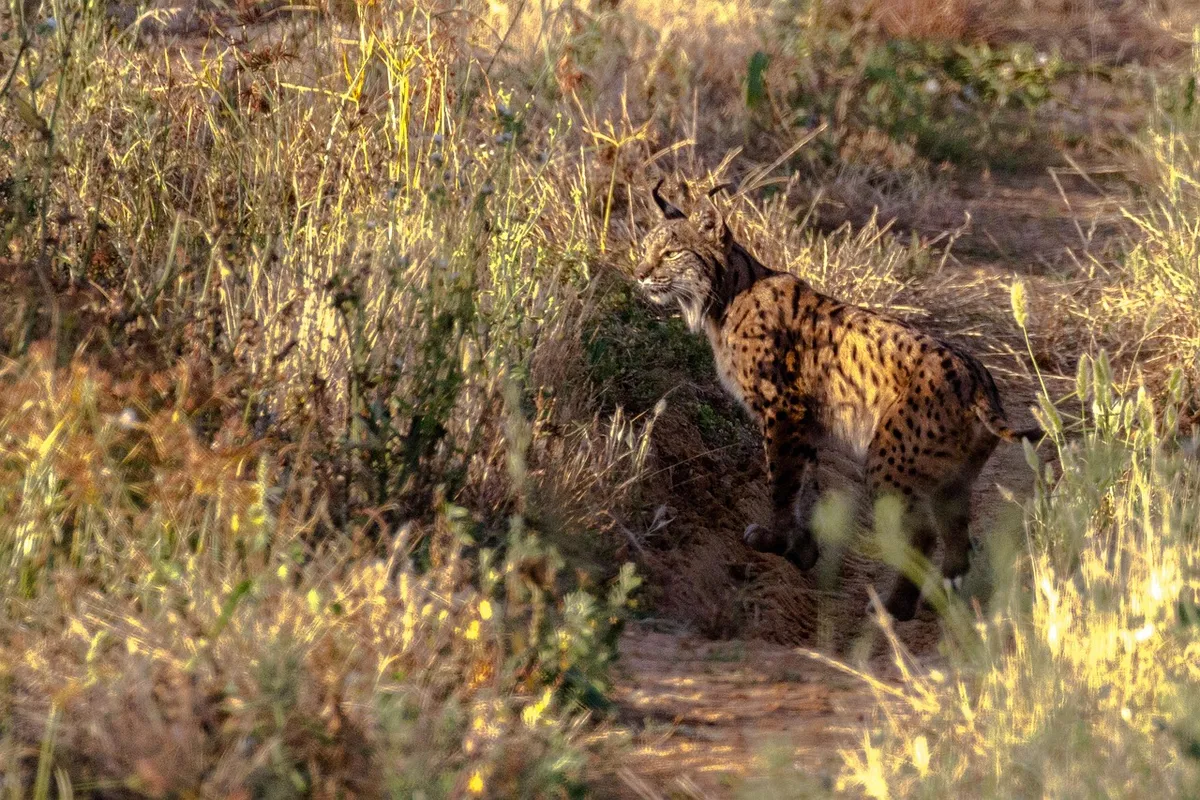
The International Union for Conservation of Nature moved the Iberian lynx from Endangered to Vulnerable on its Red List. Mature animals rose from 62 in 2001 to 648 in 2022, and the whole population, young included, was put at more than 2,000. The cats occupied at least 3,320 square kilometres, up from 449 in 2005.
The IUCN credited conservation work in Spain and Portugal, where more than 400 lynx have been reintroduced since 2010. More releases were planned for central and northern Spain.
What we don't know yet The lynx depends on the European rabbit, itself endangered, so a new virus outbreak among rabbits could set it back. Poaching, road deaths and climate-related changes to its habitat remain threats. The IUCN rated the species Largely Depleted and said full recovery could take 100 years.
Przewalski's Horses Return to Kazakhstan (June 2024)
Seven Przewalski's horses, a stallion and six mares, were flown from Prague and Berlin to central Kazakhstan in early June 2024, Al Jazeera reported. Four more followed later in the month. The project, led by Prague Zoo, which keeps the species' studbook, planned about 40 more over five years.
The species had vanished from the wild by the end of the 1960s and survived only in captivity. Reintroductions in China and western Mongolia had already built a population of 850 there. The horses' new home is the Altyn Dala, or Golden Steppe, some 7,000 square kilometres of grassland and wetland, where they hadn't lived for nearly 200 years.
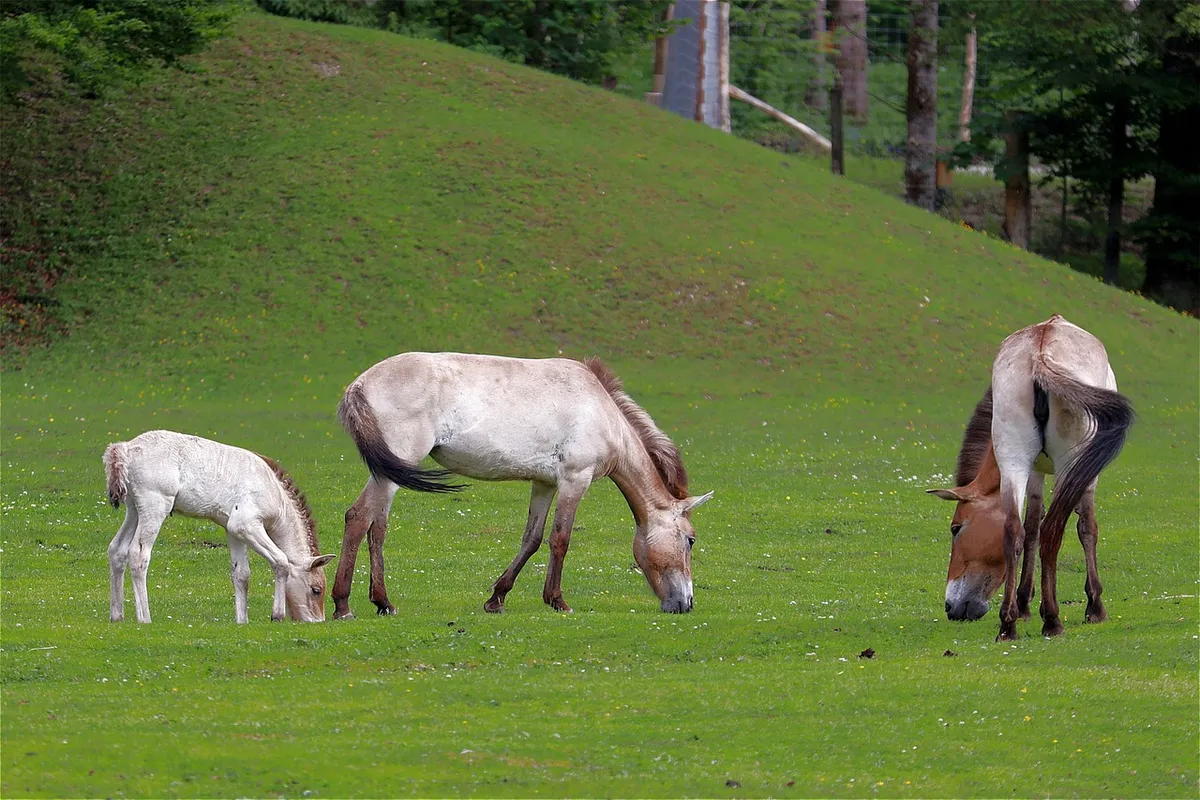
What we don't know yet The first horses were to spend a year in an acclimatisation enclosure, learning to find food and water through the steppe's hard winters, before release. Whether a breeding herd takes hold there will take years to judge.
Sierra Leone Outlaws Child Marriage (2 July 2024)
President Julius Maada Bio signed the Prohibition of Child Marriage Act 2024 into law on 2 July, Amnesty International reported. The law makes marriage of anyone under 18 a criminal offence.
In Sierra Leone, 30% of women aged 20 to 24 had first married or entered a union between the ages of 15 and 18. Citing UNICEF, Amnesty noted that West and Central Africa had the highest rate of child marriage in the world in 2023. Amnesty also said the law would need sustained work in communities to change practice.
The UK Ends 142 Years of Coal Power (30 September 2024)
Ratcliffe-on-Soar in central England, the UK's last coal-fired power station, finished its final shift at midnight on 30 September 2024, ending 142 years of coal-generated electricity that began with Thomas Edison's London station in 1882. Britain became the first G7 country to phase out coal power, though Sweden and Belgium had got there sooner.

The fall was steep, according to National Grid figures cited by the Associated Press and published by PBS NewsHour:
| Year | Coal's share of Britain's electricity |
|---|---|
| 1990 | About 80% |
| 2012 | 39% |
| 2023 | 1% |
By the time Ratcliffe closed, more than half of Britain's electricity came from renewable sources such as wind and solar. Goodnewsly covered the wider coal pledge made at COP26 in 2021.
Every Neuron in a Fly's Brain Mapped (2 October 2024)
The FlyWire Consortium published the first wiring diagram of every neuron in an adult brain, that of a fruit fly, in two papers in Nature, the University of Cambridge announced. The map covers all 139,255 neurons and the 50 million connections between them, and sorts them into more than 8,000 cell types.
The largest earlier complete maps were of a fruit fly larva, with 3,016 neurons, and a nematode worm, with 302. One female brain was cut into 7,000 slices, each 40 nanometres thick, producing more than 100 terabytes of images. Researchers from more than 76 laboratories spent an estimated 33 person-years checking the result. It's the first full brain map for an animal that can walk and see.
India Eliminates Trachoma as a Public Health Problem (8 October 2024)
WHO validated India as having eliminated trachoma, a bacterial eye infection and one of the leading causes of blindness worldwide, as a public health problem. India became the 20th country to reach the mark, and the third in WHO's South-East Asia Region after Nepal and Myanmar.
India began a trachoma control project in 1963. In 2005 the disease still caused 4% of all blindness in the country, and by 2018 prevalence was down to 0.008%. Trachoma remained a public health problem in 39 countries, and is responsible for the blindness of about 1.9 million people.
Egypt Certified Malaria-Free (20 October 2024)
WHO certified Egypt malaria-free after what it called a nearly 100-year effort, in a country of more than 100 million people. Malaria has been traced in Egypt as far back as 4000 BCE, with genetic evidence found in Tutankhamun's mummy. As recently as 1942 the country had more than 3 million cases.
Egypt was the third country in WHO's Eastern Mediterranean Region to be certified, after the United Arab Emirates and Morocco, and the first there since 2010. That made 44 countries and one territory worldwide.
Malaria is as old as Egyptian civilization itself, but the disease that plagued pharaohs now belongs to its history
Dr Tedros Adhanom Ghebreyesus, WHO Director-General, as quoted by WHO
Amazon Deforestation Falls by 30.6% (7 November 2024)
Brazil's PRODES satellite monitoring recorded 6,288 square kilometres of deforestation in the Legal Amazon between August 2023 and July 2024, Agência Brasil reported. That was 30.6% less than the year before and the smallest area since 2015. The environment ministry estimated the fall kept 359 million tonnes of carbon dioxide out of the atmosphere.
In the Cerrado savanna next door, clearing fell by 25.7% to 8,174 square kilometres, the first fall after five years of increases. Not every state improved: in Roraima, Amazon deforestation rose by 53%.
A Record Year for Renewable Power (2024)
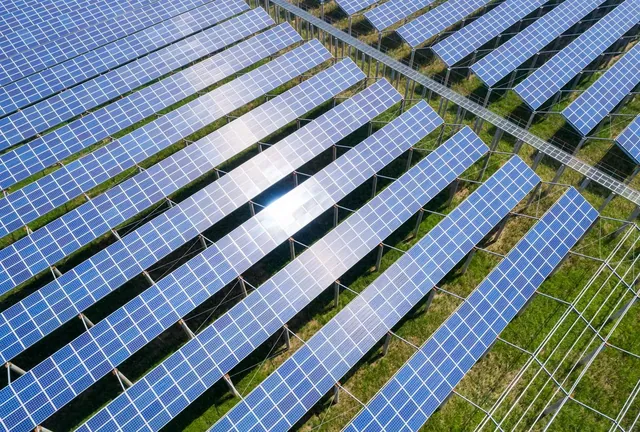
The world added 585 GW of renewable power capacity in 2024, a rise of 15.1% and the fastest annual growth on record, according to the International Renewable Energy Agency's figures as reported by pv magazine. Renewables made up 92.5% of all new power capacity. Solar supplied 451.9 GW and wind 113 GW, and China installed nearly 64% of the total.
By the end of the year renewables reached 4.4 TW, or 46% of the world's installed power capacity. IRENA said growth still needed to reach 16.6% a year to meet the global goal of tripling capacity by 2030. A year later, Goodnewsly's review of 2025 recorded renewables overtaking coal in world electricity for the first time.
Sources
- WHO certifies Cabo Verde as malaria-free, marking a historic milestone in the fight against malaria
- Cameroon kicks off malaria vaccine rollout
- Iberian lynx rebounding thanks to conservation action, IUCN Red List
- Wild Przewalski's horses return to Kazakhstan after 200 years
- Sierra Leone: Historic bill to end child marriage passed, sustained efforts to raise community awareness must now follow
- UK's last coal-fired power plant to close after more than 100 years
- Britain's last coal-fired electricity plant closes, ending 142 years of coal power in the UK
- First map of every neuron in an adult fly brain complete
- Elimination of trachoma as a public health problem in India
- Egypt is certified malaria-free by WHO
- Deforestation in the Amazon falls 30.6% in one year
- Deforestation in the cerrado shrinks after five years on the rise
- Solar adds record 452 GW to global renewables capacity in 2024
TopicsHealthWildlife ConservationRenewable EnergyAfricaResearch