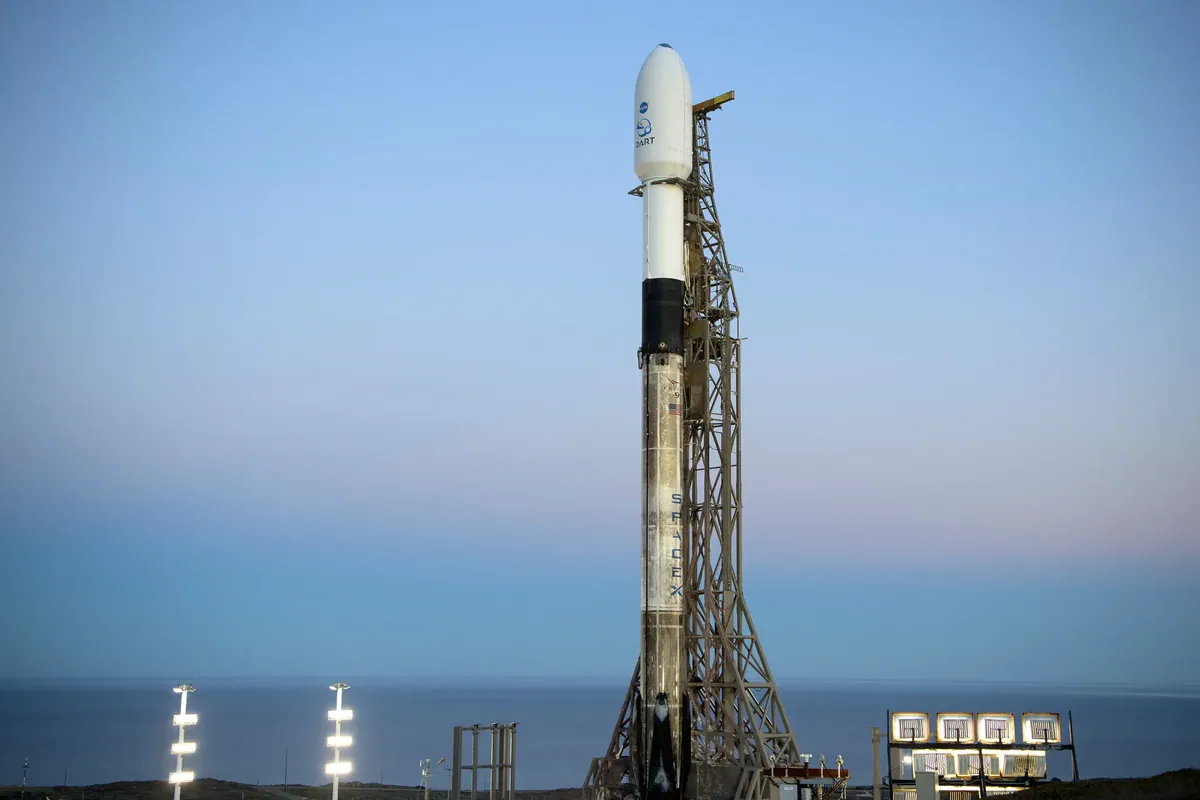
NASA Launches A Spacecraft To Let It Crash Into A Menacing Asteroid In Order To Save Earth
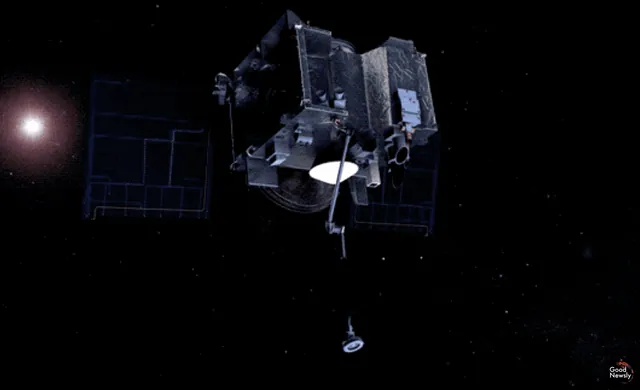
NASA launches a spacecraft the size of a refrigerator and intentionally sends it toward a menacing asteroid to save Earth.
Research, space and technology.
NASA launches a spacecraft the size of a refrigerator and intentionally sends it toward a menacing asteroid to save Earth.
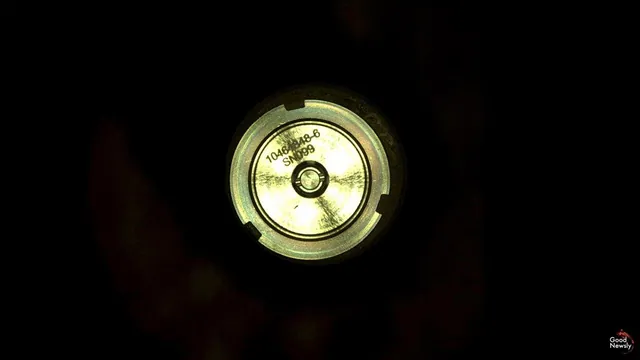
NASA’s Perseverance rover has successfully brought its first set of scientifically identified material from Mars to Earth.
Scientists from Russia have synthesized chemical compounds that put a stop to the degeneration of neurons in severe brain pathologies like Alzheimer’s and Parkinson’s.
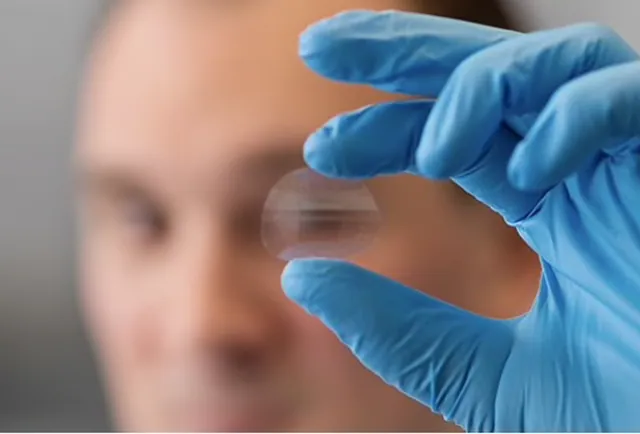
A printable device that’s being developed by a researcher at the University of Sydney can serve as a retina to blind people and could restore sight.
A fireball that lit up the sky over the United Kingdom and Northern Europe on February 28 was an extremely rare type of meteorite…
Stars are the most widely recognized astronomical objects and represent the most fundamental building blocks of galaxies……
NASA has discovered an exoplanet with three stars, one with a bizarre orbit that has left astronomers baffled……
Scientists have created new kinds of ‘living materials’ by tweaking the base ingredients of kombucha, the popular tea drink fermented with a symbiotic culture of bacteria and yeast (aka SCOBY).
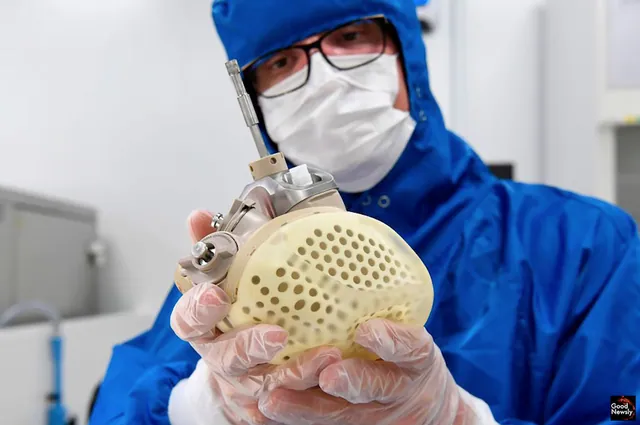
Shares in Carmat SA posted their biggest gain in more than seven years after the company got approval to sell the first-ever total artificial heart in Europe….
Humans have been trying to ‘let it go’ long before Queen Elsa began singing in her icy isolation. Now that many in the world are facing their longer quarantines, it’s become much harder to stop ruminating on all our...
The Oxford team behind a successful COVID-19 vaccine candidate are close to entering the final stage of human trials in their jab against malaria. Oxford malaria vaccine could be ready by 2024, speculates top UK...
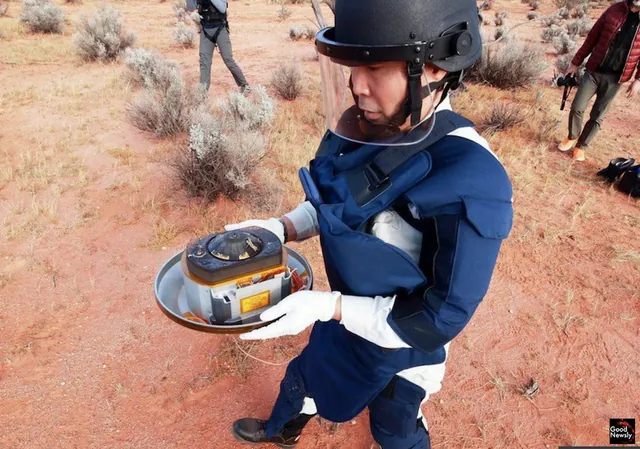
After spending six years in space, a Japanese spacecraft just landed in the desert of southern Australia, bringing a small cache of asteroid rocks to the surface of Earth. pic.twitter.com/3iea7ccIbt, Wakka...
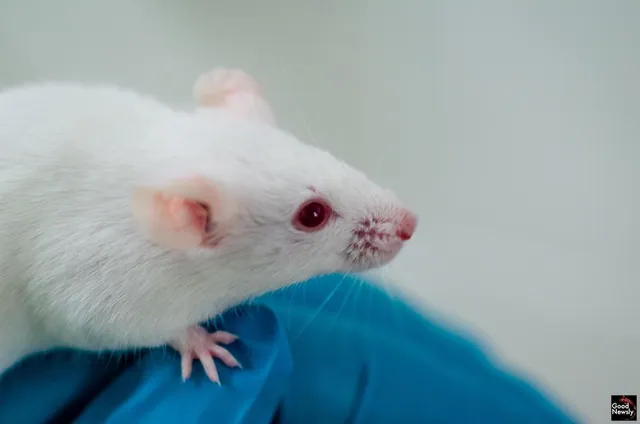
Researchers have restored vision in old mice and in mice with damaged retinal nerves by resetting some of the thousands of chemical marks that accumulate on DNA as cells age.
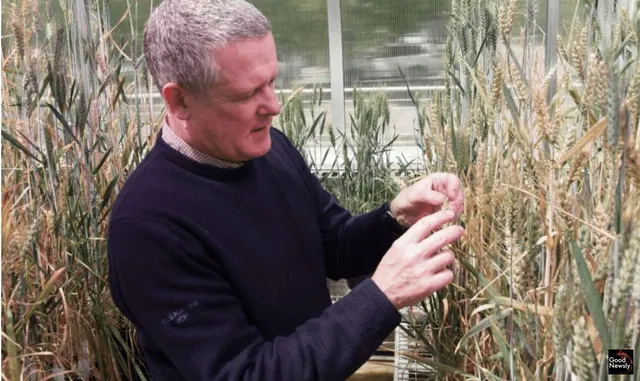
An international research collaboration, including scientists from the University of Adelaide’s Waite Research Institute, has unlocked new genetic variation in wheat and barley, a major boost for the global effort in...
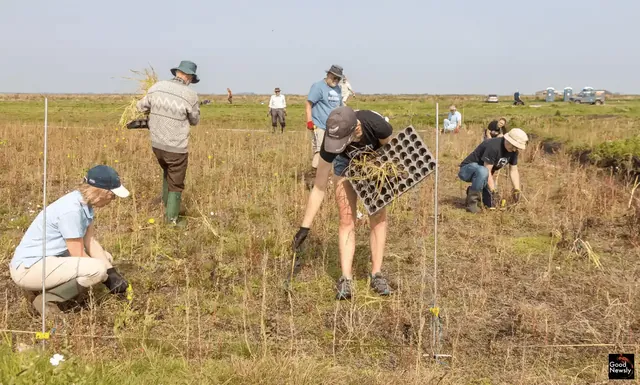
A road deeply rutted by tractors and trucks winds its way across the Fens in Cambridgeshire, a flat, expansive landscape where trees are the exception, not the rule, and ditches rather than hedges divide the fields....
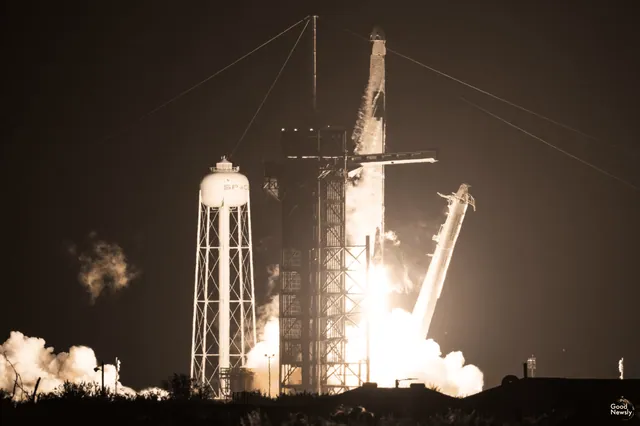
SpaceX has successfully launched its second crewed mission for NASA, sending four astronauts on a six-month journey to the International Space Station (ISS).
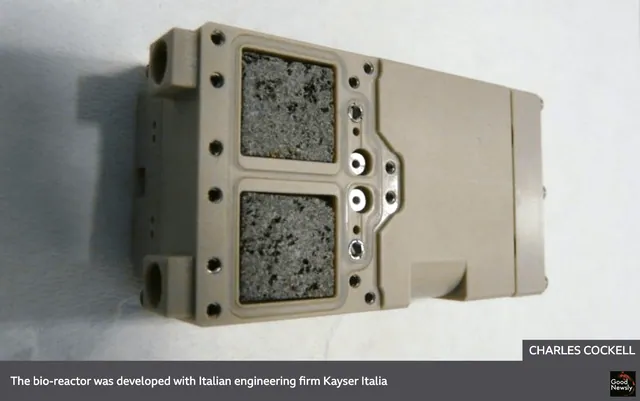
In a first-of-its-kind experiment on the International Space Station (ISS), microbes digested rock to release rare-Earth elements (REEs).
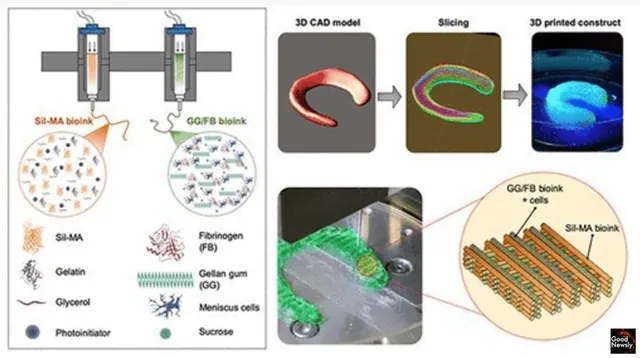
Wake Forest Institute for Regenerative Medicine scientists (WFIRM) have developed a method to bioprint a type of cartilage that could someday help restore knee function damaged by arthritis or injury.
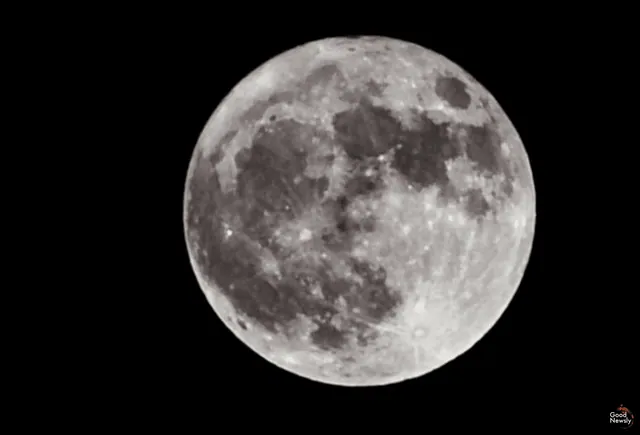
Scientists have gathered some of the most compelling evidence yet for the existence of water on the moon, and it may be relatively accessible. The discovery has implications for future missions to the moon and deeper...
On October 20th, our OSIRIS-REx mission will make its first attempt to collect and retrieve a sample of asteroid Bennu, a near-Earth asteroid. On the sample collection day, Bennu will be over 200 million miles away...
A research team has discovered that during memory consolidation, there are at least two distinct processes taking place in two different brain networks, the excitatory and inhibitory networks.
The bionic eye dubbed ‘Gennaris bionic vision system’ has been under development for nearly a decade now. It works by bypassing damaged optic nerves to allow signals to be transmitted from the retina to the vision...
No one has yet managed to travel through time, at least to our knowledge, but the question of whether or not such a feat would be theoretically possible continues to fascinate scientists.
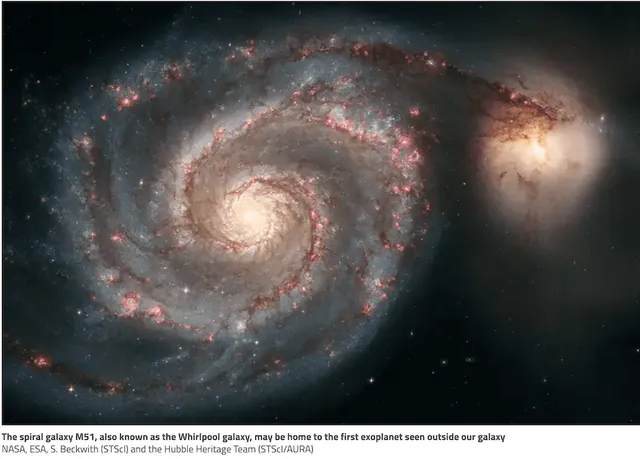
In a galaxy far, far away, a huge planet may be orbiting a binary star system. If this planet is real, it would be the most distant world we have ever spotted, the first planet to be found in another galaxy.
 GoodnewslyBeyond feel-good stories
Beyond feel-good stories. Discover the real-world progress that could transform lives, societies and the planet.